<!DOCTYPE html>
Signs Your Historic Wood Siding Needs More Than a Paint Job
Signs Your Historic Wood Siding Needs More Than a Paint Job
Historic homes in San Francisco carry details that paint cannot fix. Old-growth redwood, cedar shingles, and custom trim move with fog, wind, and salt air. Paint hides for a season. Structural issues do not. This article lays out clear field signs, explains the building science, and shows how a careful plan protects value while honoring the facade.
Best Exteriors serves San Francisco and the wider Bay Area with siding installation, siding repair, exterior waterproofing, dry rot removal, facade restoration, custom trim work, and window replacement. The team coordinates San Francisco Department of Building Inspection permits and Historic Preservation Commission reviews. The work aligns with 2026 DBI permit compliance and California Title 24 energy standards.
Paint failure vs. Siding failure in San Francisco’s microclimates
Many San Francisco homes live in fog and wind most of the year. The Sunset and Richmond District see cool, wet air and salt spray. Pacific Heights and the Marina get strong afternoon winds. The Mission District and Noe Valley heat up and cool down fast. These swings pull moisture in and out of old siding. Paint blisters and peels when the wall assembly traps water or when UV breaks the coating.
Paint failure often points to something deeper. Moisture infiltration moves through checks, cracks, and failed joints. If nail heads rust and bleed, if boards cup, or if stucco hairlines widen, the issue sits behind the paint layer. In these cases the correct scope is repair or replacement. A brush cannot fix system problems. An exterior envelope plan can.
Quick field checklist: five signs your siding needs more than paint
- Soft wood at the bottom edges, window sills, or corner boards that gives under light pressure. This signals dry rot and moisture ingress.
- Consistent peeling paint bands near horizontal joints, eaves, and foundation lines. This points to trapped moisture and vapor drive.
- Wave-like bulges, cupped clapboards, or shingles lifting against fasteners. This suggests saturation, nail withdrawal, or substrate failure.
- Persistent musty odor indoors after light rain or fog. This often comes from hidden cavities with wet framing and poor ventilation.
- Energy bills rising 10 to 25 percent year over year without equipment changes. Insulation voids and air leaks behind the siding are common in older walls.
If two or more items show up across multiple elevations, the project should shift from paint to an exterior restoration plan. That plan can include selective siding repair, full rainscreen installation, window flashing upgrades, or full siding replacement with fiber cement or cedar shingles to match the historic profile.
How dry rot starts and why San Francisco homes see more of it
Dry rot is a wood decay fungus that thrives when wood moisture content stays above 20 percent. In San Francisco, fog keeps surfaces wet. Wind drives rain under laps. Poorly vented walls hold moisture in. Paint locks water behind the film. Once rot starts, it travels along the grain and into trim, sheathing, and framing.
On Victorian and Edwardian homes in Pacific Heights, Haight-Ashbury, and Noe Valley, common rot zones appear at ornate window trim, belt courses, and back-primed cedar shingles that lost their primer barrier over time. In the Sunset and Richmond District, side-yard setbacks funnel wind-driven rain onto long elevations. This saturates clapboards and corner boards near grade. In the Marina District and Potrero Hill, salt air accelerates fastener corrosion, which opens micro-gaps and invites moisture.
Best Exteriors starts dry rot removal with a probe test and moisture meter survey. The crew maps decay paths, removes all compromised fibers, and treats adjacent sound wood with borate where allowed. Replacement stock matches the species and profile. For high exposure zones, the team recommends fiber cement in hidden areas and cedar or custom-milled wood on visible facades so the street view stays accurate to the era.
Paint failure patterns that point to hidden water
Blistering under eaves often traces to failed attic ventilation or bath fan ducts venting into soffits. Tannin bleed on cedar shingles signals UV breakdown and missing primer. Horizontal peel lines mark the places where back-priming was skipped or where capillary action pulls water in at joints. Large alligator cracking shows UV and age, but if it returns within a year of repainting, the substrate likely moves with moisture swings.
In stucco homes that share walls with wood trim, hairline cracking along window perimeters indicates missing or failed flashing. In these cases the right fix includes exterior waterproofing along penetrations, new flashing tape with proper shingle-lap sequencing, and a water-resistive barrier with the correct perm rating for the climate.
Material choices that work on the Northern California coast
Historic homes deserve materials that look right and perform in salt air. Fiber Cement Siding from James Hardie in the HZ10 climate line resists moisture, salt, and UV. It pairs with color-stable coatings and holds fasteners in wind. Many San Francisco projects use HardiePlank lap siding with smooth or cedarmill textures. For shingle-style homes, HardieShingle panels provide a uniform base, while hand-split cedar shingles in visible zones keep the historic grain alive.
Engineered wood like LP SmartSide offers a natural look with resin-bonded layers that resist swelling and pests. It installs fast on straight runs and accepts paint well. Insulated Vinyl Siding can help lower heating costs in 94112 and 94110 where fog chills homes, yet it is less common on historic streets that favor wood profiles. Aluminum and steel siding serve as durable options in high exposure spots, though owners often limit metal to secondary elevations or accessory structures to maintain character on the primary facade.
Where stucco exists, hairline cracking can be stable. Wide cracking and hollow sounds indicate delamination and water intrusion. In those cases, stucco repair or partial removal with a ventilated rainscreen behind replacement cladding reduces future moisture problems.
The rainscreen difference in fog-heavy ZIP codes
A rainscreen is an air gap behind siding that lets walls drain and dry. In 94121, 94122, and 94123, that gap can be the difference between paint that lasts two years and paint that holds for a decade. Best Exteriors specifies furring strips or a structured drainage wrap behind fiber cement or cedar shingles. This creates a 3 to 10 millimeter cavity. The crew installs a water-resistive barrier with a perm rating that suits San Francisco’s cool, damp climate. Flashings get layered with shingle-style overlaps from bottom to top. Window and door trims receive head flashings with end dams to stop lateral water.
The result is pressure moderation, drainage, and faster drying after fog. Paint and stain last longer because the substrate stays closer to equilibrium moisture content. Heat loss also drops because the wall avoids wet insulation that drags R-values down.
Windows, trim, and the weak points that ruin paint jobs
Most paint failures near windows start with flashing. Historic sashes and casings often lack modern head flashings and sill pans. Water bypasses paint and sits at the stool or into the framing. Before any repaint, the crew checks head flashings, trims, and sill conditions. If the home needs new windows, Milgard fiberglass or aluminum-clad units offer slim profiles that respect historic lines while stopping air and water. The team installs new units with pan flashing, flexible flashing tapes, and back dams that tie to the WRB so water drains out, not in.
Custom trim work matters. Many San Francisco facades have crown profiles, belt lines, and corner pilasters. Best Exteriors mills replacement trim to match. Where high exposure meets ornate detail, the team may suggest fiber cement trim or engineered wood on the weather side and clear cedar on the street face. That keeps the look right while cutting maintenance.
Repair vs. Repaint: how a contractor decides scope
- Moisture readings above 16 percent in more than 10 percent of test points indicate repair or replacement work before paint.
- Dry rot or termite damage that extends past the first fastener line needs full board or shingle replacement, not filler.
- Recurring paint failure within two years points to system errors that paint cannot solve.
- Energy audits showing major air leakage along rim joists and window perimeters favor a siding and window scope with air sealing.
- Historic district requirements around Pacific Heights and Haight-Ashbury often set material and profile rules that guide the solution.
The contractor documents each elevation. Photos, moisture maps, and notes go into the SF DBI application when required for more than in-kind work. If the home sits in a conservation district, the team prepares details for the Historic Preservation review. This speeds permit approval and avoids cost creep in the field.
Neighborhood context and exposure risks
Pacific Heights: Strong winds race up the hill and strike west and north elevations. Head flashings and corner boards take a beating. Fiber cement with HZ10 coatings holds up well here.
Marina District: Salt-laden air corrodes fasteners and eats into unsealed end grain. Stainless fasteners and sealed cuts are mandatory. Gaps behind siding help purge salt spray moisture.</ p>
Mission District and Noe Valley: Heat swings crack old paint and dry out caulks. UV breaks down oil primers faster. A modern acrylic system over a stable substrate works best.
Richmond District and The Sunset: Perpetual fog keeps siding wet. Rainscreens, back-primed cedar, and Hardie HZ10 reduce swelling and paint lift. Grade-level clapboards and trim need special attention.
Potrero Hill and Haight-Ashbury: Mixed exposures with historic detail. Preservation standards often call for cedar shingles or custom-milled clapboards on street fronts. Smart use of engineered products on non-street sides controls maintenance without harming curb appeal.
Zip codes 94102, 94107, 94110, 94112, 94114, 94117, 94121, 94122, 94123, and 94124 show these patterns in different mixes. A local plan considers the block, the wind, and recent storm history, not just the city at large.
Building science basics that keep paint from failing again
Walls work when water stays outside, and when any water that gets in can leave. In San Francisco, this means three elements need to be correct. First, the water-resistive barrier must be continuous and lapped in the right order. Second, flashings must direct water out over the face of the layer below. Third, ventilation and drainage must let the assembly dry after fog or rain.
Best Exteriors uses integrated systems. For fiber cement, the team pairs James Hardie HZ10 boards with compatible trim, stainless nails, and color systems approved by the manufacturer. For cedar shingles, the crew back-primes all faces, seals cuts, and vents the roof-to-wall transitions. At window perimeters, flexible flashing tape ties the nailing fin to the WRB. Sill pans with back dams prevent backflow. Kick-out flashings at roof edges stop water from running behind siding. These details turn a paint job from cover-up to long-term finish.
Cost signals that point past paint
Repainting a typical San Francisco facade can run from modest to significant depending on access and prep. If prep includes grinding back to bare wood, patching multiple dry rot zones, and replacing more than 10 percent of boards, the price often nears the cost of partial replacement. If windows leak and trims fail, costs stack. In many cases, a reset with new siding on the worst elevations plus a full waterproofing detail around openings saves money over a five to ten year span. Energy savings from insulated siding or tighter walls can offset part of the investment, especially in colder microclimates.
Best Exteriors offers transparent digital quotes. Line items show labor, materials, access, and permit fees. Financing is available on approved credit. Warranties cover materials and workmanship on defined scopes. This structure helps owners compare paint-heavy repair against partial or full replacement without guesswork.
Permits, compliance, and historic preservation
San Francisco DBI classifies many siding replacements as permit work, even for in-kind. Online portal applications speed simple scopes if profiles and materials match existing. In historic districts, profile, reveal, and texture matter. Best Exteriors prepares submittals with profile drawings and product sheets. The company coordinates with the Historic Preservation staff as needed. On pre-1978 homes, the crew follows EPA Lead-Safe Certified practices. Setups protect neighbors on tight lot lines common across the 7 by 7 miles. The company’s practices align with 2026 DBI permit compliance plans and current code chapters.
What “San Francisco-grade” siding looks like in the field
A strong San Francisco install shows several traits. Starter courses sit dead level. Joints stagger and land on studs. End grain seals at every cut. Housewrap or a liquid-applied WRB ties into window and door flashings with clean overlaps. Penetrations like vents and hose bibs use proper flashings, not caulk only. Rainscreen furring sets a uniform gap. Trim fasteners match the metal type to avoid galvanic action near the ocean. Caulk only fills small, stable joints. Wider gaps get backer rod and sealant with the right joint ratio. Paint or stain goes over dry, primed surfaces with the film thickness that the manufacturer calls for.
On high-wind exposures in Pacific Heights or the Marina, crews add ring-shank stainless nails or screws where the manufacturer allows. On seismic retrofit walls, installers watch nailing schedules to avoid conflicts with shear patterns. These small choices add years to service life.
Choosing materials for historic character without constant repainting
Cedar shingles remain the gold standard on many San Francisco facades. Grade A, straight-grain cedar reduces cupping and splits. Back-priming and a breathable stain or paint keep moisture movement in check. On less visible sides, James Hardie HZ10 fiber cement shingles or lap boards handle wind and salt better, cut repaint cycles, and keep profiles crisp. LP SmartSide adds another option where owners want a wood-like texture with added impact resistance.
Stucco can serve as a back elevation material in the Mission District or Potrero Hill, but cracking near openings still requires proper lath, drainage plane, and joint control. Insulated Vinyl Siding is seldom used on landmark streets yet serves rental or rear elevations that face heavy weather. Metal siding finds a place on modern additions and accessory structures where a clean, coastal look fits.
Energy, comfort, and the hidden tax of leaky walls
High energy bills link to air leaks and wet insulation. Old balloon framing and unsealed rim joists bleed conditioned air. In 94112 and 94110, winter heat loss shows up fast on bills. During siding projects, Best Exteriors air seals sheathing seams, around window perimeters, and at penetrations. Where feasible, the crew adds exterior insulation or uses insulated siding to improve assembly R-value while staying within trim depths that preserve historic shadows. These moves support California Title 24 and cut drafts that make rooms feel cold even at the same thermostat setting.
Why siding contractors in San Francisco must think like waterproofers
Painting over problems is easy. Fixing the envelope is harder and more valuable. Siding contractors in San Francisco face fog, salt, wind, tight access, and historic standards. Best Exteriors treats every siding job as an exterior waterproofing project first. The company’s inspections identify moisture pathways before new cladding hides them. Dry rot removal happens ahead of schedule, not after. Flashings get detailed with shingle-style laps. Rainscreens vent trapped moisture. Only then does the team install siding and apply finish systems.
This approach keeps warranties valid with James Hardie, LP SmartSide, and CertainTeed. It supports Diamond Certified and BBB A+ level workmanship. It aligns with NARI standards that local architects and property managers recognize. Most of all, it stops cycle repainting that chews budgets without solving the root cause.
Case notes by neighborhood
Richmond District classic with cedar shingles and peeling paint every two years: Field tests showed 22 to 28 percent moisture content at north wall. The crew installed a ventilated rainscreen, back-primed new shingles, and replaced corner boards with engineered wood on the weather sides. The street face kept cedar with a breathable stain. Paint cycle extended from two to eight years in follow-up checks.
Pacific Heights Victorian with ornate trim and interior musty odor after drizzle: Missing head flashings at windows allowed wind-driven rain to get behind casings. Best Exteriors rebuilt casings with custom trim work, added pan flashings, and tied WRB into existing sheathing. Milgard units replaced failing windows on the alley side where visibility was low. Odor disappeared and new paint held firm at 18 months and 36 months reviews.
Sunset District bungalow with chronic peeling near grade: Clapboards wicked water from planter beds. The team cut off the lowest course, installed a cap flashing, and switched to James Hardie HZ10 lap boards at the base. The wall got a drainage wrap and a small gravel border to break soil contact. Paint stopped lifting.
How to start: a simple plan for owners
A site walk should cover all elevations. Take photos of paint failure patterns, especially parallel peel lines, soft spots, bulges, and rust bleeds. Note musty odors after fog. Collect last year’s energy bills. With that, a qualified team can outline options. Often the right mix blends selective wood repair on street-facing details, fiber cement on high exposure sides, and window flashing upgrades across the board. Permits run faster when the scope shows in-kind profiles and clear product data.
Best Exteriors provides free estimates and transparent scopes. The company offers financing, coordinates SF DBI permits, and brings historic preservation experience to projects across the city. Crews maintain clean worksites on tight lots and respect neighbors. The goal is a building envelope that looks right and stays dry.
Why this matters for long-term value in San Francisco
In Pacific Heights, Noe Valley, and Haight-Ashbury, buyers look at street appeal and maintenance history. Repaint cycles every two years signal a problem. Documented dry rot removal, rainscreen installation, and code-compliant window flashing raise confidence. In the Mission and Potrero Hill, energy and comfort matter in busy, windy corridors. Insulated siding and air sealing add daily comfort and lower bills. Across the Richmond and Sunset, materials that stand up to fog protect the home’s frame, not just the paint job.
Owners who address the envelope once avoid the hidden taxes that come from return trips, interior damage, and lost time. That is why a siding contractor with waterproofing discipline makes sense in this city.
Service capabilities and product partnerships
Best Exteriors performs siding installation, siding repair, exterior waterproofing, dry rot removal, facade restoration, custom trim work, and window replacement. The company installs James Hardie HZ10 fiber cement as an Elite Preferred partner, LP SmartSide engineered wood, cedar shingles, CertainTeed products, insulated vinyl siding, and select aluminum and steel siding on compatible designs. Roofing, underlayment tie-ins, and Owens Corning components integrate at roof-to-wall transitions where needed. Window lines include Milgard for compatibility with historic proportions and modern performance.
Work practices follow GuildQuality-rated service benchmarks, NARI standards, and EPA Lead-Safe Certified processes on pre-1978 housing. The firm maintains a BBB A+ Rating and supports warranty-backed craftsmanship across its packages. These relationships and standards protect owners during and after the job.
Coverage across San Francisco and the Bay
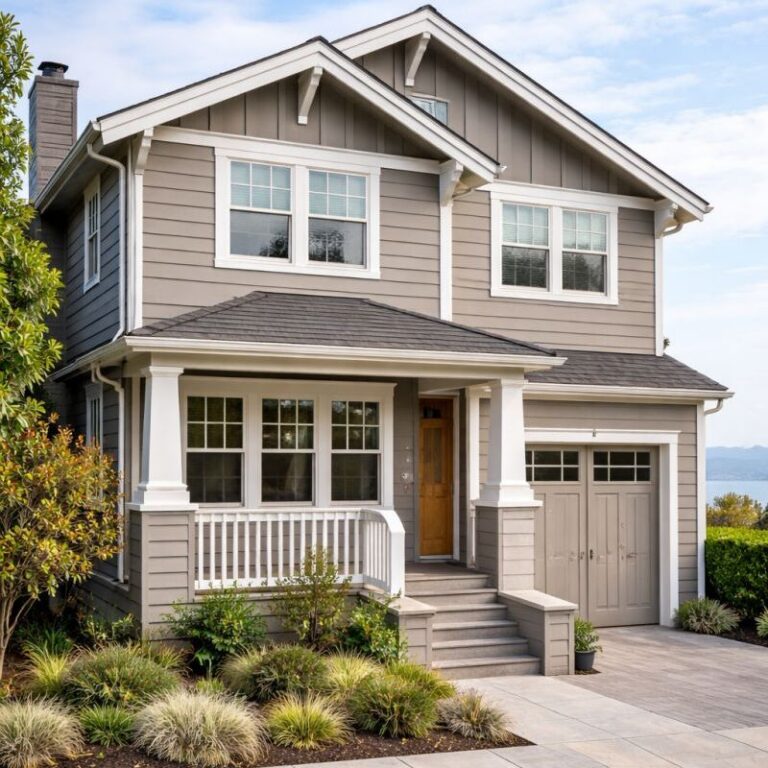
Crews serve homes in Pacific Heights, the Mission District, The Sunset, the Richmond District, Noe Valley, the Marina District, Potrero Hill, and Haight-Ashbury. Service reaches across San Francisco ZIP codes 94102, 94107, 94110, 94112, 94114, 94117, 94121, 94122, 94123, and 94124. Projects also extend to nearby San Francisco Bay Area communities along the Northern California Coast as schedules allow. High-density sites and zero-lot-line access are routine. Clean Worksite protocols keep sidewalks open and neighbors on board.
What to ask a siding contractor before saying yes
Ask for moisture meter readings by elevation. Request details on the water-resistive barrier, rainscreen depth, and flashing sequence. Confirm stainless fasteners in salt-exposed zones. For historic streets, ask for sample boards that match the reveal and texture. For fiber cement, confirm James Hardie HZ10 compliance and Elite Preferred status for warranty protection. For engineered wood, verify LP SmartSide installation details. For windows, ask for head flashings, sill pans, and WRB tie-ins in drawings. Solid answers here matter more than a low bid that hides risk.
Why Best Exteriors ranks among siding contractors San Francisco trusts
Results on fog-heavy streets and wind-exposed hillsides define strong siding contractors San Francisco residents rely on. Best Exteriors pairs historic preservation experience with modern building science. The team builds rainscreens, details flashings, and restores profiles that pass neighbor and commission reviews. Digital quotes show costs up front. Crews fix dry rot before installing a single board. Warranties back the work. Owners who want a finish that lasts longer than a paint cycle find value in that approach.